
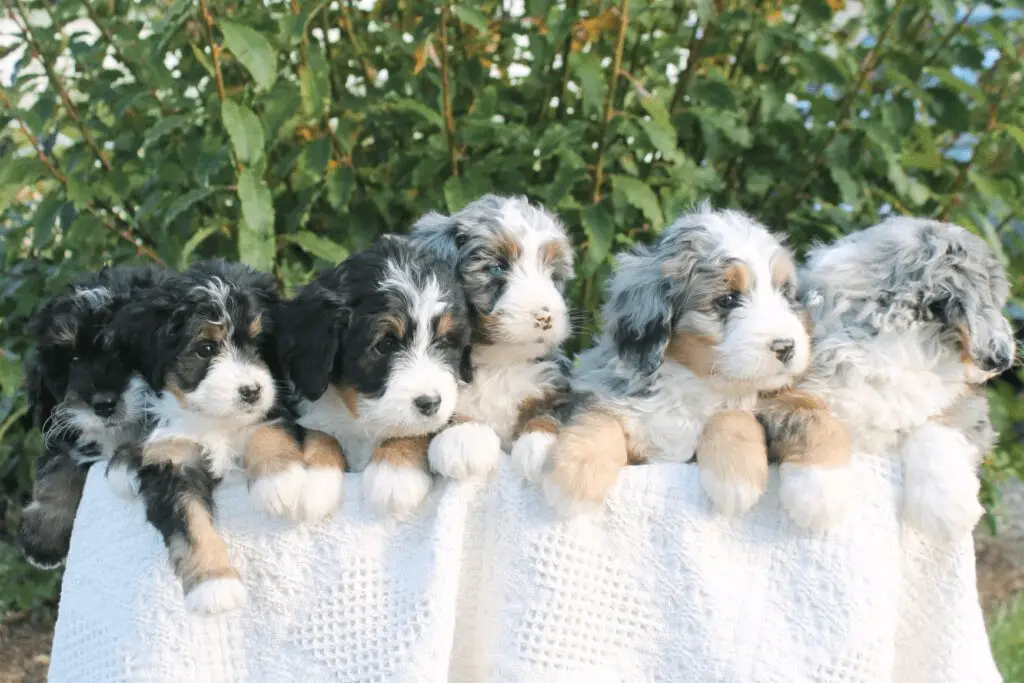
The Bernedoodle has quickly become one of the most sought-after designer breeds in recent years. Known for their affectionate personalities, low shedding coats, and family friendly temperaments, Bernedoodles are a cross between the Bernese Mountain Dog and the Poodle. While all Bernedoodles share certain traits, their size can differ dramatically depending on whether they are bred as Mini or Standard.
For families in Ohio considering adding a Bernedoodle to their home, understanding the distinctions between Mini and Standard sizes is an essential step in making the right choice. Size influences everything from activity needs to grooming requirements, and it can shape how easily a dog fits into your lifestyle.
Overview of the Bernedoodle Breed
Before diving into size specific differences, it’s helpful to understand the general traits of the Bernedoodle.
Bernedoodles inherit qualities from both the Bernese Mountain Dog and the Poodle. From the Bernese side, they gain loyalty, affection, and a gentle nature, while the Poodle contributes intelligence, hypoallergenic potential, and an energetic spirit. The result is a companion who is often playful, adaptable, and easy to bond with.
Mini Bernedoodle: A Closer Look
Mini Bernedoodles typically weigh between 30 and 50 pounds when fully grown. Their smaller stature makes them easier to handle for families living in apartments, townhomes, or smaller houses. Despite their size, they maintain the playful and affectionate traits of their larger counterparts.
Temperament and Personality
Mini Bernedoodles are energetic, social, and often adapt well to active families. Their smaller size allows them to accompany owners on errands, travel, or outdoor adventures more conveniently. Many families find that Mini Bernedoodles are well suited for children because they are sturdy enough to play without being overwhelming in size.
Activity Needs
Like all Bernedoodles, the Mini requires daily exercise. Walks, playtime, and mental stimulation are essential. However, their energy can often be met with shorter activity periods compared to the Standard Bernedoodle.
Grooming and Coat Care
Mini Bernedoodles inherit the low shedding coat from their Poodle lineage, but grooming is still a commitment. Regular brushing and professional grooming every six to eight weeks help keep their coats healthy and free of tangles.
Standard Bernedoodle: A Closer Look
Standard Bernedoodles are considerably larger, often weighing between 70 and 85 pounds or more at maturity. Their size makes them a striking presence, and they are particularly suited to families with spacious homes or yards.
Temperament and Personality
Standards are known for their calm, loyal, and affectionate personalities. While they may be less energetic than their Mini counterparts, they enjoy long walks, outdoor play, and family bonding time. Their size and demeanor make them excellent companions for households looking for a larger, more laid-back pet.
Activity Needs
Standard Bernedoodles thrive with consistent exercise. They often require longer walks or outdoor play sessions compared to Minis. For families in Ohio with access to yards, parks, or open spaces, Standards can be an excellent fit.
Grooming and Coat Care
Just like Minis, Standard Bernedoodles require regular grooming. Their larger coats may take more time and effort to maintain, but with consistent care, they remain manageable.
Size and Lifestyle Considerations in Ohio
Ohio’s mix of suburban neighborhoods, rural landscapes, and urban areas makes it an excellent environment for either size of Bernedoodle. Choosing the right size depends largely on your household’s lifestyle, living space, and daily routine.
Families in apartments or condos may find the Mini Bernedoodle more manageable due to its compact size and slightly lower exercise demands. Homes with larger yards can easily accommodate the Standard Bernedoodle, giving them room to stretch, play, and relax outdoors. Larger households with multiple children may appreciate the sturdy nature of Standards, while smaller families may find Minis easier to integrate into daily life.
Health and Lifespan
Both Mini and Standard Bernedoodles are generally healthy, but their size can influence certain aspects of longevity and care. Minis often have slightly longer lifespans, ranging from 12 to 17 years, while Standards typically live between 10 and 15 years.
Both sizes can be prone to conditions inherited from their parent breeds, so regular veterinary care, a healthy diet, and consistent exercise remain important.
Hypoallergenic Qualities
Many families seek Bernedoodles because of their reputation as low shedding, hypoallergenic dogs. Both Mini and Standard sizes can inherit this trait, although it varies depending on genetics. Families with allergy concerns should still spend time with Bernedoodles before committing, as individual dogs may differ.
Suitability for Families
Bernedoodles are widely regarded as family friendly companions. Their affectionate nature makes them excellent with children, and their adaptability helps them integrate into many household types. Minis are better suited for smaller homes or families looking for a more compact pet, while Standards are ideal for households with more space and those seeking a larger, calmer presence.
Grooming and Maintenance Needs
Regardless of size, Ohio Bernedoodles need consistent grooming. Their coats can range from wavy to curly, which determines how much care they require. Families should plan for regular brushing, professional grooming, and routine coat maintenance to keep their dog comfortable and healthy.
Training and Socialization
Bernedoodles are intelligent and eager to please, which makes them relatively easy to train. Early socialization helps ensure they grow into well-mannered companions. Minis may require slightly more activity-based training due to their energy levels, while Standards may benefit from consistent reinforcement to prevent stubborn behaviour.
Cost Considerations
The cost of owning a Bernedoodle includes more than the initial purchase. Grooming, veterinary care, food, and supplies should all be factored into the decision. While the costs can be similar for both Minis and Standards, larger dogs typically require more food and may have slightly higher long-term expenses.
For families looking to explore available Bernedoodle litters in Ohio, you can learn more at Pleasant Acre Farms.
Conclusion
Choosing between a Mini and Standard Bernedoodle comes down to your family’s lifestyle, living space, and preferences. Minis are playful, portable, and easier for smaller households, while Standards bring calm companionship and a larger presence. Both sizes offer the affectionate personality, low shedding coats, and loyal companionship that make Bernedoodles beloved pets across Ohio.
By carefully considering size, activity needs, grooming, and long-term care, you can confidently select the Bernedoodle that will thrive with your family.
Frequently Asked Questions
1. How big do Mini Bernedoodles get in Ohio?
Mini Bernedoodles usually weigh between 30 and 50 pounds when fully grown.
2. What is the size range for Standard Bernedoodles
Standard Bernedoodles can weigh between 70 and 85 pounds or more.
3. Are both sizes hypoallergenic?
Both Minis and Standards may inherit low shedding, hypoallergenic coats, but results vary depending on genetics.
4. Which Bernedoodle size is better for small homes?
The Mini Bernedoodle is often a better choice for apartments, condos, or smaller houses due to its size.
5. How much grooming do Bernedoodles need?
Both Minis and Standards require regular brushing and professional grooming every six to eight weeks.
